Sterile processing departments generate enormous amounts of data every single day — cycle times, indicator results, load contents, operator IDs, equipment status. The question most CSSDs still haven’t answered is simple: what happens to that data once it’s recorded?
In many facilities, the answer is: not much. It sits in a logbook, a spreadsheet, or a filing cabinet, disconnected from the people who could actually use it to improve how the department runs.
Table of Contents
The Real Cost of Manual Data Capture
Paper-based or fragmented digital records don’t just slow teams down — they create blind spots. When indicator readings are transcribed by hand, small errors compound. When records live in separate systems that don’t talk to each other, nobody has a full picture of a load’s journey from washer to shelf. And when an audit or an infection-control investigation happens, teams spend hours reconstructing a timeline that should have been available in seconds.
This isn’t a technology problem in the abstract — it’s a daily operations problem. Manual data capture limits what a CSSD team can actually do with the information they’re already collecting.

From Recording Data to Acting on It in the CSSD
Digitalization changes the role data plays in a CSSD. Instead of being something you log defensively — “just in case someone asks” — it becomes something the team actively uses:
- Real-time visibility into cycle results means deviations get caught during the process, not after the fact.
- Automatic linking between indicators, loads, instruments, and even patients closes the traceability loop end to end.
- Centralized records mean any authorized person can reconstruct a load’s full history without hunting through multiple logs.
- Less manual entry means fewer transcription errors and more time for the tasks that actually require clinical judgment.
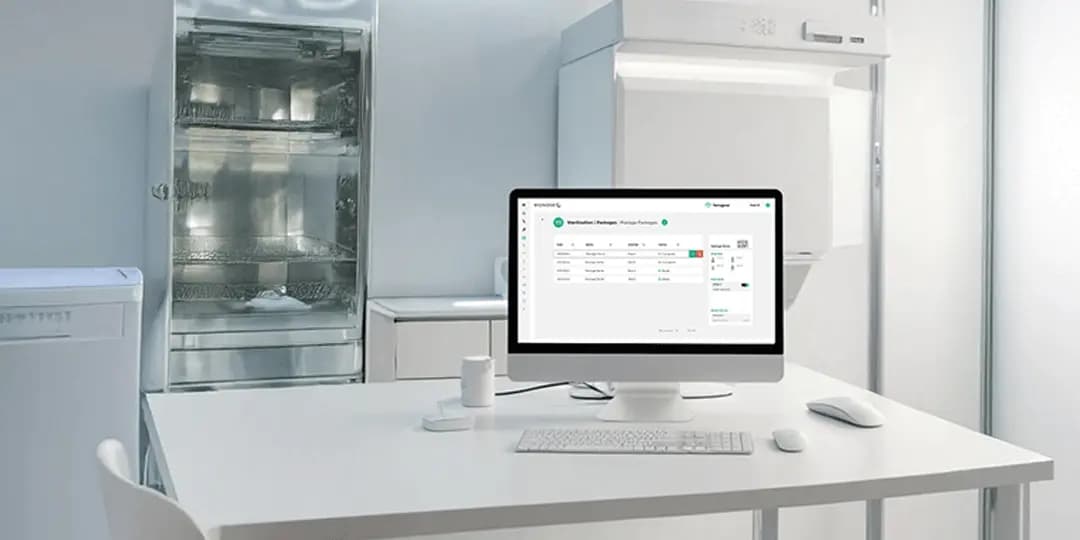
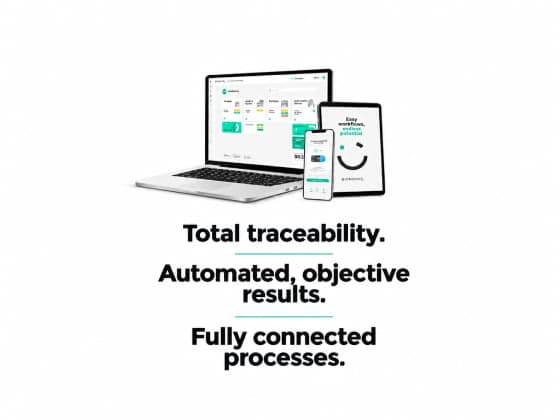
This is the shift Bionova® Q is built around: a cloud-based traceability platform that uses AI to read chemical indicators automatically and connects directly to existing incubators to capture biological indicator results — removing manual entry from the equation entirely, with no new servers or IT infrastructure needed.
What Digital Traceability Looks Like Day to Day
For a CSSD team, the practical difference shows up in small moments that add up:
- A biological indicator result appears automatically, even outside working hours, instead of waiting for someone to check the incubator.
- Multiple technicians can work in parallel on different loads without bottlenecking a shared logbook.
- An audit-ready report generates itself, fully digital, instead of being assembled the night before an inspection.
- Every indicator is already linked to its process, load, and user — so tracing an issue back to its source takes minutes, not a full-day investigation.
None of this requires the department to change what it does. It changes how much friction sits between doing the work and having usable data about that work.
Data as a Clinical Decision, Not Just a Record
The deeper shift is this: sterilization data isn’t just a compliance artifact. Captured consistently and connected properly, it becomes a source of operational intelligence — where deviations cluster, which shifts or instruments need attention, where a process can be tightened before it becomes an incident.
That’s the gap between a department that records sterilization and one that manages it. Digitalization, through platforms like Bionova® Q, is what makes that second version possible — turning everyday CSSD data into decisions that improve infection control outcomes.
Ready to see what digital traceability looks like in your CSSD? Discover how Bionova® Q works.