멸균 처리 부서는 매일 엄청난 양의 데이터를 생성합니다. 사이클 시간, 지표 결과, 적재 내용물, 작업자 ID, 장비 상태 등입니다. 하지만 대부분의 중앙멸균공급부(CSSD)가 여전히 답을 찾지 못한 질문은 간단합니다. 일단 데이터가 기록되면 어떻게 되나요?
많은 기관에서 그 답은 "별로 없다"입니다. 정보는 로그북, 스프레드시트, 또는 서류 캐비닛에 보관되어 있을 뿐, 실제로 부서 운영을 개선하는 데 필요한 정보를 가진 사람들과는 단절되어 있습니다.
차례
수동 데이터 수집의 실제 비용
종이 기반 기록이나 파편화된 디지털 기록은 팀의 업무 속도를 늦출 뿐만 아니라 사각지대를 만듭니다. 지표 판독값을 수기로 입력할 경우 작은 오류가 누적됩니다. 기록이 서로 연동되지 않는 여러 시스템에 분산되어 있으면 세탁기에서 선반까지 제품이 이동하는 전체 과정을 아무도 파악할 수 없습니다. 또한 감사나 감염 관리 조사가 발생할 경우, 팀은 몇 초 만에 확인할 수 있어야 할 시간표를 재구성하는 데 몇 시간을 허비하게 됩니다.
이것은 추상적인 기술적 문제가 아니라, 일상적인 운영상의 문제입니다. 수동 데이터 입력 방식은 CSSD 팀이 실제로 할 수 있는 일에 제약을 가합니다. do 그들이 이미 수집하고 있는 정보를 활용해서요.

CSSD에서 데이터 기록부터 실행까지
디지털화는 중앙멸균공급부(CSSD)에서 데이터의 역할을 변화시킵니다. 더 이상 "누군가 물어볼 경우를 대비해" 방어적으로 기록하는 대상이 아니라, 팀이 적극적으로 활용하는 자원이 됩니다.
- 실시간 가시성 주기적인 결과에 반영된다는 것은 편차가 사후가 아닌 과정 중에 발견된다는 것을 의미합니다.
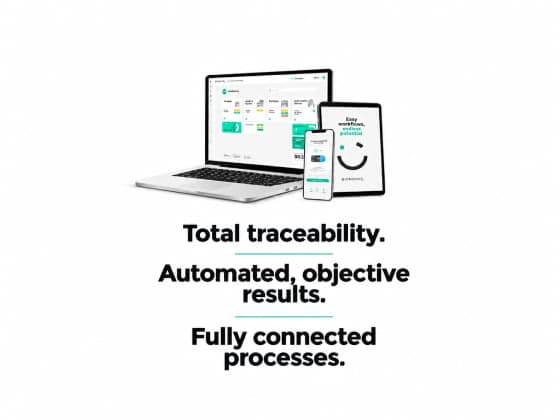
- 자동 연결 지표, 부하, 계측기, 심지어 환자까지 모든 요소에 대한 추적성을 확보하여 추적 고리를 처음부터 끝까지 완성합니다.
- 중앙 집중식 기록 이는 권한이 있는 사람이 여러 로그를 일일이 찾아볼 필요 없이 화물의 전체 이력을 재구성할 수 있음을 의미합니다.
- 수동 입력 감소 이는 전사 오류를 줄이고 임상적 판단이 실제로 필요한 작업에 더 많은 시간을 할애할 수 있음을 의미합니다.
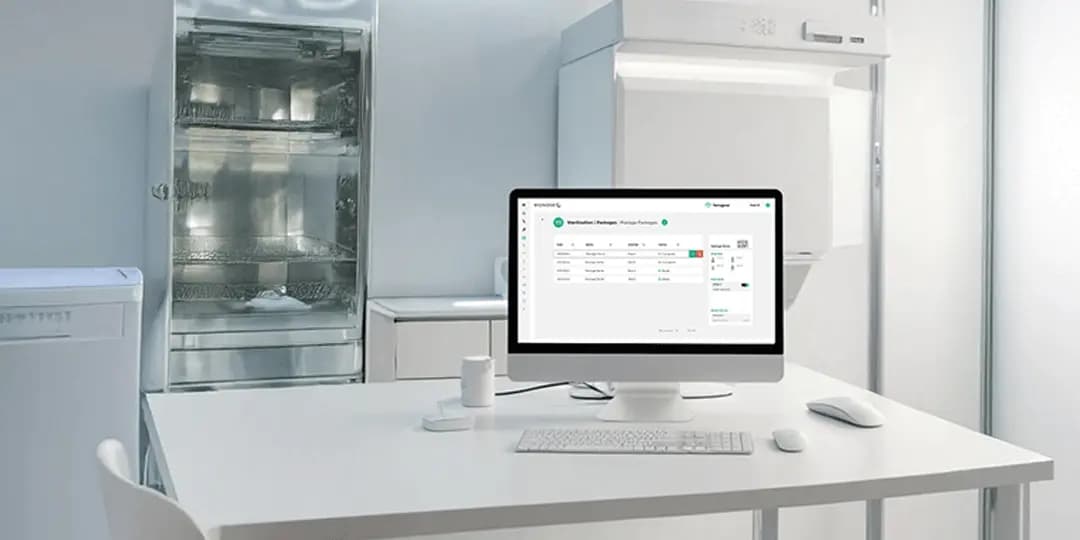
이것이 바로 변화입니다 바이오노바® Q 이 시스템은 인공지능(AI)을 사용하여 화학적 지표를 자동으로 판독하고 기존 배양기에 직접 연결하여 생물학적 지표 결과를 수집하는 클라우드 기반 추적 플랫폼을 중심으로 구축되었습니다. 이를 통해 수동 입력이 완전히 제거되며, 새로운 서버나 IT 인프라가 필요하지 않습니다.
일상적인 디지털 추적성의 모습은 어떤 것일까요?
CSSD 팀에게 있어 실질적인 차이는 작은 순간들이 모여 만들어집니다.
- 생물학적 지표 결과는 근무 시간 외에도 누군가가 배양기를 확인할 때까지 기다릴 필요 없이 자동으로 표시됩니다.
- 여러 기술자가 공유 작업일지를 사용하지 않고도 서로 다른 작업물을 동시에 처리할 수 있습니다.
- 감사 준비가 완료된 보고서가 검사 전날 밤에 급하게 작성하는 대신, 완전히 디지털 방식으로 자동으로 생성됩니다.
- 모든 지표는 이미 해당 프로세스, 부하 및 사용자와 연결되어 있으므로 문제의 원인을 추적하는 데 몇 분밖에 걸리지 않으며, 하루 종일 조사할 필요가 없습니다.
이 모든 것은 부서의 변화를 요구하지 않습니다. 뭐 그렇습니다. 작업을 수행하는 것과 그 작업에 대한 유용한 데이터를 얻는 것 사이에 존재하는 마찰력을 줄여줍니다.
데이터는 단순한 기록이 아니라 임상적 의사결정의 도구입니다.
더 근본적인 변화는 바로 이것입니다. 멸균 데이터는 단순히 규정 준수를 위한 자료가 아닙니다. 일관되게 수집되고 제대로 연결되면, 운영상의 정보를 얻을 수 있는 원천이 됩니다. 즉, 어떤 부분에서 편차가 집중되는지, 어떤 근무조나 기구에 주의가 필요한지, 사고로 이어지기 전에 어떤 부분을 개선해야 하는지 등을 파악할 수 있습니다.
그것은 부서 간의 격차입니다. 기록 살균과 그 중 하나 관리하다 바로 그것입니다. Bionova® Q와 같은 플랫폼을 통한 디지털화는 일상적인 CSSD 데이터를 감염 관리 결과를 개선하는 의사 결정으로 전환하는 두 번째 버전을 가능하게 합니다.
중앙멸균공급부(CSSD)에서 디지털 추적성이 어떤 모습인지 확인해 볼 준비가 되셨나요? Bionova® Q의 작동 방식을 알아보세요..